The Irresistible Allure of Caprese Salad: A Symphony of Simplicity
There are few dishes that capture the essence of Italian culinary philosophy quite like the Caprese Salad. A true testament to the power of quality ingredients, this vibrant, easy-to-prepare salad is more than just a collection of tomatoes, mozzarella, and basil; it's a celebration of color, freshness, and unparalleled flavor. Often hailed as the ultimate summer salad, its appeal transcends mere seasonality, making it a beloved staple that brings a touch of the Italian sun to any table.
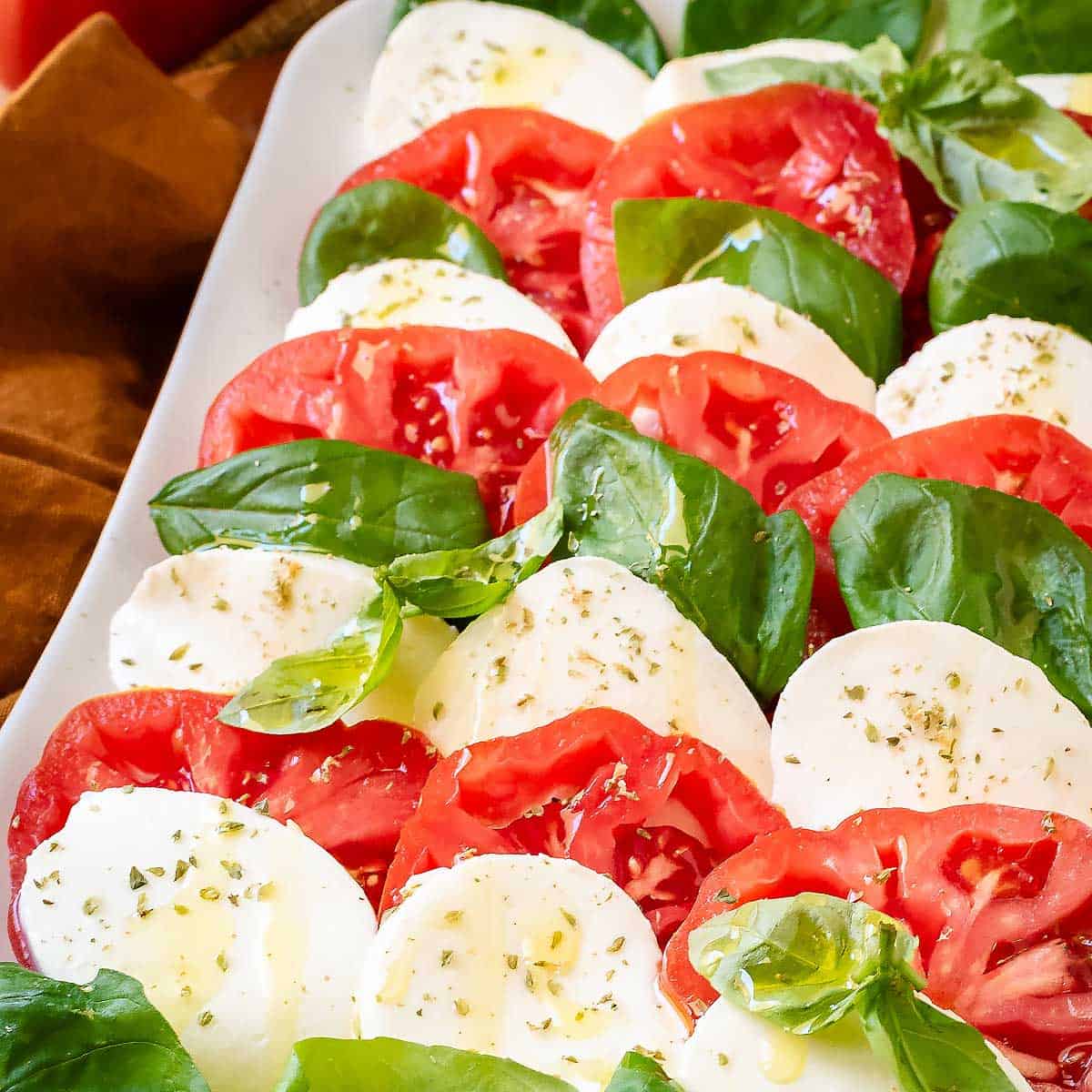
The beauty of Caprese Salad lies in its straightforward elegance. Layers of succulent, juicy tomatoes, creamy fresh mozzarella, and aromatic basil leaves are artfully arranged, then kissed with a drizzle of robust olive oil, a sprinkle of sea salt, and a grind of black pepper. An optional, yet increasingly popular, finish of sweet-tangy balsamic glaze adds another dimension of flavor and visual appeal, elevating an already stunning platter to an even greater feast for the senses.
From its origins on the picturesque island of Capri, the Caprese Salad has evolved from a simple local specialty into a global culinary icon. Its fame isn't limited to the traditional salad format; the "Caprese" concept has inspired a myriad of dishes, from Caprese Skewers and Caprese Pasta Salad to inventive Caprese sandwiches and pizzas. This widespread adoration stems from its inherent freshness, its captivating colors that echo the Italian flag, and a flavor profile that is both light and deeply satisfying. Whether served as a refreshing light meal for a summer lunch, a sophisticated appetizer, or a vibrant side dish, Caprese Salad effortlessly brightens any dining experience.
The Art of the Ingredients: A Deeper Dive into Caprese's Core
While the recipe for Caprese Salad seems deceptively simple, the secret to its extraordinary taste lies almost entirely in the quality and handling of its few core ingredients. Each component plays a crucial role, and understanding their nuances is the first step to crafting a truly memorable Caprese.
The Tomatoes: The Soul of the Salad
- Selection: Opt for ripe, flavorful tomatoes. Vine-ripened, beefsteak, or heirloom varieties offer the best balance of sweetness and acidity. During peak summer, farmer's market finds are unparalleled. For smaller, individual servings or Caprese skewers, cherry or grape tomatoes are excellent choices.
- Ripeness: A perfectly ripe tomato will be firm but yield slightly to gentle pressure and emit a sweet, earthy aroma. Avoid anything too soft or overly firm.
- Slicing: For larger tomatoes, aim for slices about 1/4 to 1/2 inch thick. Uniformity in thickness not only ensures even eating but also contributes to the visual appeal when layering. Use a sharp, serrated knife to prevent crushing the delicate flesh.
The Mozzarella: Creamy, Fresh Perfection
- Freshness is Non-Negotiable: This is arguably the most critical ingredient. Forget the pre-shredded or drier, firmer blocks found in the dairy aisle. You need fresh mozzarella, typically sold in brine or water.
- Types:
- Mozzarella di Bufala: The gold standard. Made from water buffalo milk, it boasts an incredibly creamy texture, rich flavor, and slight tang.
- Fior di Latte: Made from cow's milk, this is also an excellent choice, offering a slightly milder flavor and a wonderfully soft texture.
- Bocconcini/Ciliegine: Small, bite-sized balls of fresh mozzarella, perfect for individual servings, skewers, or when you want to minimize slicing.
- Preparation: If your mozzarella is in brine, gently pat it dry before slicing. This helps prevent excessive water from diluting the salad's flavors. Slice larger balls into similar thickness as your tomatoes. Ensure the mozzarella is at room temperature for optimal flavor and texture; cold mozzarella can be rubbery and less flavorful.
The Basil: Aromatic & Vibrant
- Freshness is Key: Use only fresh, vibrant basil leaves. The Genovese variety, with its large, fragrant leaves, is traditionally preferred.
- Handling: Wash basil leaves gently and pat them thoroughly dry. To prevent bruising and darkening, tear larger leaves by hand rather than slicing them with a knife, especially if you're not serving immediately. If you must slice, stack leaves and roll them into a tight cylinder before thinly slicing (chiffonade).
The Finishing Touches: Olive Oil, Salt, Pepper, and Balsamic
- Extra Virgin Olive Oil: Invest in a good quality, robust extra virgin olive oil. Its peppery, fruity notes are integral to the salad's flavor profile. Drizzle generously, but not to the point of pooling.
- Sea Salt & Freshly Ground Black Pepper: Flaky sea salt (like Maldon) provides a delightful textural crunch and bursts of salinity. Freshly ground black pepper adds a subtle heat and aromatic complexity. Season just before serving.
- Balsamic Glaze (Optional): While not strictly traditional, a balsamic glaze (a reduction of balsamic vinegar) adds a beautiful contrasting sweetness and tang. You can buy it pre-made or easily reduce good quality balsamic vinegar yourself. Drizzle it artfully over the finished salad, or serve it on the side.
Crafting the Perfect Caprese: Tips for Assembly and Presentation
Once you have your pristine ingredients, assembling your Caprese Salad is an exercise in mindful layering. The visual appeal is almost as important as the taste, making presentation an integral part of the experience.
- Prep Your Ingredients: Ensure all your tomatoes and mozzarella are sliced uniformly (if using large varieties) and your basil leaves are clean and dry.
- Room Temperature Matters: For the best flavor and texture, allow your tomatoes and mozzarella to come to room temperature for about 15-30 minutes before assembling.
- The Laying Technique:
- Classic Overlap: Arrange alternating slices of tomato and mozzarella, slightly overlapping, in a circular pattern on a large platter or in a straight line down a rectangular dish. Tuck fresh basil leaves between each slice, or scatter them generously over the top.
- Deconstructed: For a more rustic or modern look, you can cube the tomatoes and mozzarella, tear the basil, and gently toss them in a bowl before plating.
- Individual Servings: Stack a single slice of tomato, mozzarella, and a basil leaf, repeating the stack 2-3 times per plate.
- The Drizzle: Once arranged, lightly drizzle the extra virgin olive oil over the entire salad. You want enough to coat each piece, but not to drown it.
- The Seasoning: Sprinkle generously with flaky sea salt and freshly ground black pepper. Seasoning the individual layers as you go can also ensure even flavor distribution.
- Balsamic Glaze (Optional): If using, drizzle the balsamic glaze just before serving. Its dark, viscous nature creates a striking contrast against the red, white, and green.
- Serve Immediately: Caprese Salad is best enjoyed fresh. The tomatoes release their juices, and the basil can wilt if left dressed for too long. For more foundational insights into this beloved dish, be sure to check out caprese salad - Article 1, and for additional serving suggestions and history, explore caprese salad - Article 2.
Beyond the Classic: Creative Caprese Variations and Pairings
The core Caprese flavor profile—tomato, mozzarella, basil—is so universally loved that it has inspired countless creative adaptations, proving its incredible versatility. While the classic Caprese Salad remains a timeless masterpiece, don't hesitate to experiment.
Exciting Caprese Twists:
- Caprese Skewers: Thread cherry tomatoes, small mozzarella balls (ciliegine), and basil leaves onto skewers for an easy appetizer or party snack. A mini balsamic drizzle can be added before serving.
- Caprese Pasta Salad: Toss cooked pasta with halved cherry tomatoes, small mozzarella balls, pesto, and fresh basil. A fantastic make-ahead option.
- Grilled Caprese: Briefly grill thick slices of tomato and mozzarella, then top with fresh basil, olive oil, and balsamic. The warmth enhances the flavors and texture.
- Caprese Bruschetta: Top toasted baguette slices with a mixture of diced tomatoes, mozzarella, and basil, then drizzle with olive oil and balsamic.
- Caprese Pizza/Flatbread: Add fresh mozzarella, sliced tomatoes, and basil (often added after baking) to a pizza base for a lighter, fresher take.
- Pesto Caprese: Instead of, or in addition to, olive oil, drizzle a fresh basil pesto over your Caprese Salad for an intensified basil flavor.
- Peach Caprese: For a delightful summer twist, swap out some of the tomatoes for ripe, juicy peach slices. The sweetness of the peach complements the savory ingredients beautifully.
Perfect Pairings for Caprese Salad:
Caprese Salad is wonderfully adaptable and pairs well with a variety of dishes and occasions.
- Main Courses: It's a fantastic accompaniment to grilled chicken or fish, a hearty steak, or Italian main courses like lasagna or pasta al pomodoro.
- Bread: Serve with crusty artisan bread to soak up the flavorful juices and olive oil.
- Wine: Light, crisp white wines such as Sauvignon Blanc, Pinot Grigio, or a dry Rosé complement the fresh, bright flavors of the salad beautifully.
- Light Lunch: Paired with a simple panino or some cured meats, Caprese Salad makes for a perfect, refreshing light lunch.
Why Caprese Remains a Summer Staple (and How to Enjoy it All Year)
The intrinsic connection between Caprese Salad and summer is undeniable. It's during the warmer months that tomatoes reach their peak ripeness, bursting with sun-drenched flavor, and basil plants thrive, offering their freshest, most aromatic leaves. The salad itself is incredibly refreshing, light, and hydrating – perfectly suited to hot weather when heavier meals feel overwhelming. It embodies the concept of "eating with the seasons," celebrating the bounty of summer produce.
Beyond its seasonal appeal, Caprese Salad offers several compelling benefits:
- Health Benefits: It's packed with vitamins (from tomatoes and basil), healthy monounsaturated fats (from olive oil), and calcium (from mozzarella). It's naturally gluten-free and can be a fantastic part of a balanced diet.
- Speed & Convenience: With virtually no cooking involved (unless you're making your own balsamic glaze), a Caprese Salad can be on the table in under 10 minutes, making it ideal for busy weeknights or impromptu gatherings.
- Visual Appeal: Its vibrant red, white, and green colors are inherently attractive, making it a natural centerpiece for any meal and a guaranteed crowd-pleaser.
But what if you crave this taste of summer during the colder months? While peak-season produce is always best, you can still enjoy a delicious Caprese year-round with a few adjustments:
- Tomatoes: Look for greenhouse-grown, "on the vine" tomatoes that often retain more flavor than typical supermarket varieties in winter. Consider using good quality canned San Marzano tomatoes, lightly roasted, for a deeper, sweeter tomato flavor that stands in for fresh ones.
- Mozzarella & Basil: Fresh mozzarella is available all year. For basil, you might need to rely on supermarket potted plants or packaged fresh basil, which are usually consistent in quality.
- Embrace the Glaze: A good balsamic glaze becomes even more important when tomatoes might be less flavorful, adding a crucial layer of sweetness and acidity.
Conclusion
The Caprese Salad is a culinary marvel, a testament to how the finest ingredients, treated with respect and simplicity, can yield extraordinary results. It's more than just a recipe; it's an experience—a harmonious blend of textures and tastes that sings of sun-drenched Italian landscapes. From its foundational ingredients to its elegant presentation and endless versatility, Caprese Salad continues to captivate palates worldwide. Whether you adhere strictly to the classic rendition or venture into creative variations, remember that the heart of a great Caprese lies in the uncompromising quality of your tomatoes, mozzarella, and basil. Embrace its simplicity, savor its freshness, and let this timeless Italian salad transport you to a state of pure culinary delight.
